


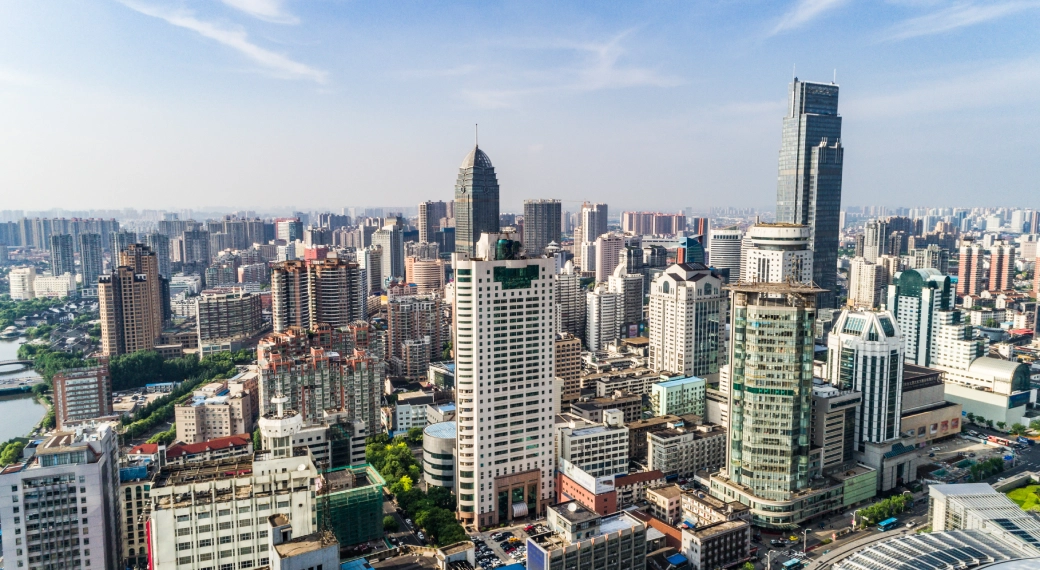
Buying a home in Mumbai is more than just a financial milestone; it is the realization of a lifelong dream. The city's fast-paced energy, incredible growth, and soaring skyline make it one of the most desirable real estate markets in the country. However, navigating this premium market can feel overwhelming given the sheer volume of choices and complex legalities.
To ensure your investment is safe, secure, and truly rewarding, you need a foolproof strategy. Whether you are eyeing an elegant high-rise or a cozy suburban apartment, here is your essential buying flat in Mumbai checklist to help you make an informed decision.
1. Verify the RERA Registration
In today’s real estate landscape, this is an absolute golden rule. Never short-list a property without checking its credentials on the MahaRERA website. Looking specifically for RERA-registered flats in Mumbai ensures accountability regarding possession of timelines, construction quality, and financial transparency. It fundamentally protects you from project delays and unfair practices.
2. Assess the Real "Carpet Area"
In Mumbai, there is often a stark difference between the built-up area and the actual usable carpet area. Make sure you are paying for the space inside your four walls, not the thick structural pillars or common corridors. Always ask for the RERA-approved carpet area layout to understand exactly how much space you are getting.
3. Location, Connectivity, and Commute Times
A beautiful apartment loses its charm if you spend three hours a day stuck in traffic. Evaluate the property’s proximity to major arterial routes like the Western Express Highway, Link Road, or upcoming Metro lines. Suburbs like Borivali and Malad have become massive hotspots precisely because they balance superb connectivity with established residential neighborhoods.
4. Evaluate the Builder’s Track Record
A home is only as good as the builder who constructs it. Before signing any legal document, research the developer’s history. Do they have a reputation for timely delivery? Do they use premium materials? A developer with deep roots in the local market and a history of successful redevelopments or luxury projects is always a safer bet.
5. Check the Structural Integrity and Ventilation
Before investing in premium housing , look closely at the architectural design. Mumbai’s humid coastal climate requires smart planning. Check if the flat offers cross-ventilation, ample natural light, and space-optimized layouts. Premium construction quality safeguards your home against heavy monsoon seasons.
6. Inspect the Amenities (Quality Over Quantity)
Modern developments offer an array of lifestyle amenities , but you need to evaluate what you will actually use. Prioritize essential and high-value amenities such as:
- • High-tech, multi-level automated car parking.
- • Advanced multi-tier security systems and intercoms.
- • Dedicated children’s play areas and fitness centers.
- • Power backup for lifts and common areas.
7. Understand the True Total Cost
The price tag in the brochure is rarely the final amount you pay. When putting together your budget, remember to factor in additional mandatory costs:
- • Stamp duty and registration charges.
- • Goods and Services Tax (GST) for under-construction properties.
- • Development charges, advance maintenance, and society formation fees.
- • Parking space charges.
8. Review Legal Title and Land Documents
A crucial part of any property buying guide in Mumbai is checking the legal paperwork. Ensure the builder has a clear title to the land, an Intimation of Disapproval (IOD), and a Commencement Certificate (CC). If the project is ready to move in, asking for the Occupancy Certificate (OC) is mandatory.
9. Scrutinize the Water and Power Supply
Water scarcity can be a persistent issue in certain pockets of the MMR (Mumbai Metropolitan Region). Investigate whether the building relies solely on municipal water (BMC supply) or if it relies heavily on water tankers. Reliable electricity backups for automated elevators and common areas are also non-negotiable for high-rise living.
10. Future Resale and Appreciation Value
Even if you intend to live in a flat for the rest of your life, think like an investor. Look at the infrastructure pipeline surrounding the neighborhood. Areas undergoing active modernization, metro expansion, and retail growth yield much higher capital appreciation over time.
Finding the Right Match: The Shelaji Group Advantage
Checking off every single item on the home-buying tips Mumbai guide can feel like a daunting task. Finding a developer that ticks all these boxes of legality, luxury, location, and long-term trust is where your search narrows down to the finest.
If you are looking for premium residential spaces that seamlessly fulfill this entire checklist, Shelaji Group stands out as a highly trusted name in Mumbai’s real estate landscape. With over two decades of expertise, they have mastered the art of delivering thoughtfully planned, luxurious spaces, majorly across prime micro-markets like Borivali and Malad.
Projects like Shelaji Gold Leaf and Trevi in Borivali West, alongside Atlantis in Malad West, perfectly epitomize what modern Mumbaikars look for: completely RERA-compliant structures, exceptional construction quality, transparent carpet areas, and handpicked premium amenities. By focusing heavily on strategic connectivity and community-centric design, Shelaji Group ensures that your investment transitions beautifully from a checklist to a dream home.