
In 2026, the concept of “premium living” in Mumbai has moved beyond mere square footage. It has entered an era of “ Efficiency - Driven Luxury,” where value is measured by the quality of time saved and the depth of the wellness ecosystem surrounding the home.
As a real estate group focused on “ Homes with purpose”, we see four distinct pillars shaping Mumbai’s skyline and lifestyle through 2030.
The most significant shift in 2026 is that infrastructure has replaced the pin code as the primary price driver. With the Coastal Road and Metro Line 3 now fully operational, luxury is being redefined by how quickly you can traverse the city.
The Suburban Uplift: Areas in the Western Suburbs, once considered “secondary,” are now premier destinations. A 4 BHK in Borivali or Malad is often more desirable than a smaller apartment in South Mumbai because it offers a modern gated ecosystem with seamless connectivity to the BKC and Worli business districts.
The Airport Effect: The Navi Mumbai International Airport has turned the surrounding belt into a global residential hub, attracting HNIs and NRIs who prioritize international mobility.
With vacant land nearly non-existent, 2026 is the year of Supply Renewal. Over two-thirds of Mumbai’s housing stock is over 30 years old, leading to a massive wave of “Cluster Redevelopment.”
New Standards: Modern redevelopment isn’t just about a new facade; it’s about introducing advanced safety standards, earthquake-resistant tech, and high-speed building systems that older legacy buildings lack.
Investment Logic: For savvy investors, the highest ROIis no longer in “speculative pre-launches”, but in high quality revelopment projects in established neighborhoods where social infrastructure ( schools, hospitals, and parks ) is already mature.
Post - 2025, premium living has pivoted toward Holistic Health. A home is now expected to be a sanctuary that actively contributes to the resident’s well-being.
Spatial Flexibility: Demand has peaked for “hybrid-ready” homes. Modern floor plans now include a dedicated acoustic-insulated pod for deep work and multi- functional spaces that can transform from a yoga studio to a guest studio.
The Clean Living Standard: Features that were once “add-ons” - such as advanced air filtration, greywater recycling, and EV charging stations - are now the baseline for any project claiming the “premium tag.”
| Feature | 2020 Definition of Luxury | 2026 Definition of Luxury |
|---|---|---|
| Location | Prestigious South Mumbai | Connectivity to Coastal Road/Metro |
| Amenity | Swimming Pool & Gym | Co-working Hubs & Wellness Spas |
| Technology | Video Door Phones | AI-Driven Energy Management |
| Ownership | Second Home/Investment | Primary Residence for Wellness |
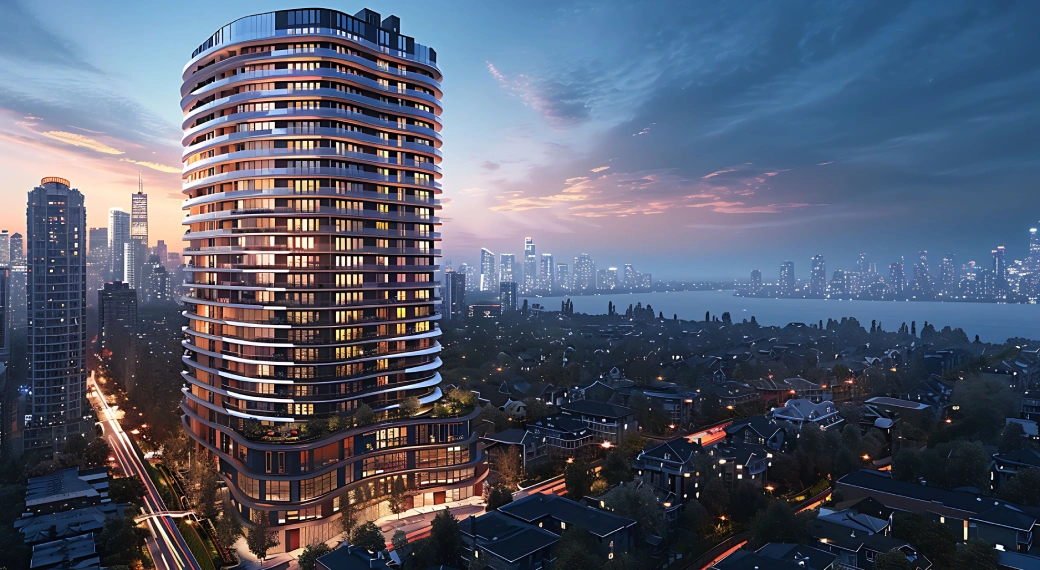
By 2030, Mumbai will function as a collection of high-functioning, self-contained hubs. The goal of premium developers is no longer to just provide a home, but to curate a 15-minute lifestyle.
Work-Live Integration: We are moving away from the "commuter culture." New premium developments are increasingly Mixed-Use, where luxury residential towers sit atop high-street retail and Grade-A office spaces.
The "Western Corridor" Dominance: In the Western Suburbs (Bandra to Borivali), cluster redevelopment is allowing for "Gated Urban Forests"—projects that span 2–5 acres, offering a level of greenery and quietude previously impossible in a dense city.
Smart Hubs: Areas like Wadala and Vikhroli are being repositioned as "Central Business Districts 2.0," utilizing large land parcels to build master-planned communities that integrate transit-oriented development (TOD) with high-end living.
The operationalization of the Navi Mumbai International Airport (NMIA) and the Atal Setu (MTHL) has effectively birthed "Third Mumbai."
The Airport Aerocity: By 2030, the region surrounding NMIA (Ulwe, Panvel, and Kharghar) will mirror the "Aerocity" models of Dubai or Singapore. This area is attracting a new class of "Global Commuters"—HNIs and entrepreneurs who prioritize a 20-minute drive to an international terminal over a legacy pin code.
Price Harmonization: The gap between "Satellite Cities" and "Main Mumbai" is closing. Locations like Ulwe and Dronagiri, once considered peripheral, are seeing price escalations of 20–30% as they become primary residential choices for professionals working in South Mumbai via the 20-minute sea-link commute.
By 2030, the "Smart Home" will move beyond mobile-controlled lights to AI-Managed Ecosystems.
Predictive Maintenance: Premium buildings will use IoT (Internet of Things) to predict elevator wear-and-tear or water leakages before they happen, ensuring zero downtime for residents.
The Green Mandate: "Eco-Luxury" is the future. Solar-active facades, internal vertical forests for temperature control, and carbon-neutral building materials will be the status symbols of the next decade.
Fractional & Digital Ownership: The way luxury is bought is also changing. We expect a surge in fractional ownership of premium vacation homes and digital real-estate portfolios, allowing younger investors to participate in Mumbai's luxury growth with lower entry barriers.
| Region | Strategic Value | 2030 Vision |
|---|---|---|
| Western Suburbs | High Lifestyle Value | The "Silicon Valley" of Mumbai; hub for media, tech, and creative HNIs. |
| Navi Mumbai | High Growth Potential | The new "Global Gateway": logistics, data centers, and Aerocity living. |
| Central Suburbs | Connectivity Value | The "Bridge Hub" is the vital link between the East, West, and Navi Mumbai. |
| Vasai-Virar | The "Fourth Mumbai" | Emerging as the destination for luxury villa living and low-density townships. |
The future of Mumbai’s real estate market is the adoption of Human-Centric Urbanism. As Mumbai grows horizontally with infrastructure and vertically with redevelopment, the ultimate luxury is the same: A home that honors your time, improves your health, and protects your future.
Copyright 2026 All Right Reserved | Terms & Conditions | Privacy Policy | Developed by Eduavenir


